Australia’s movement toward First Nations treaty-making has reached a major crossroads. While Victoria has made history by establishing the nation’s first formal, operational treaty framework, progress across the rest of the country remains starkly divided along state lines and political shifts.
Victoria: Milestone Statewide Treaty Commences
Victoria stands as the pioneer in Australia's treaty landscape. Following years of community consultation, legislative design, and truth-telling through the Yoorrook Justice Commission, the state has transitioned from preparation to formal execution.
Key Developments in Victoria
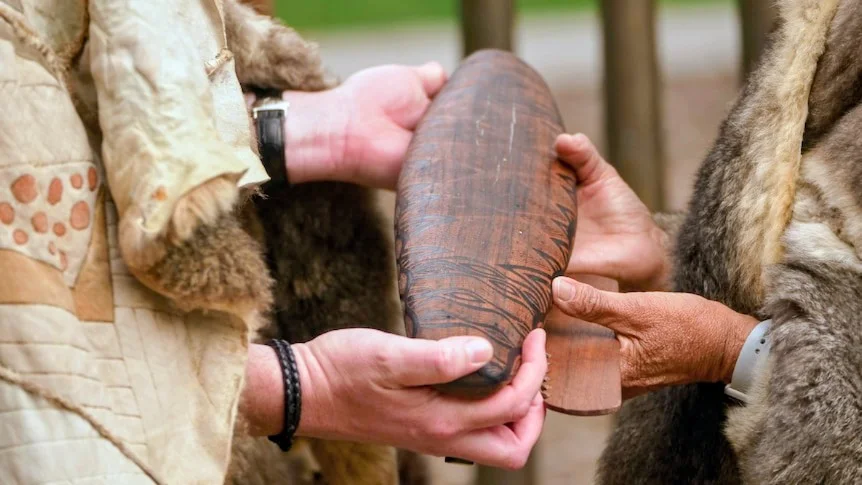
- Statewide Treaty Execution: On 12 December 2025, Victoria’s Statewide Treaty formally commenced following a ceremonial exchange between the Victorian Government and the First Peoples’ Assembly of Victoria. This was preceded by an official parliamentary State Apology to First Peoples on 9 December 2025.
- Establishment of Gellung Warl: Under the Statewide Treaty Act 2025, the overarching governing architecture—Gellung Warl (a Gunaikurnai phrase meaning "tip of the spear")—officially commenced on 1 May 2026.
- Expanded Negotiations Register: The Treaty Authority, the independent body facilitating treaty negotiations, has expanded its Negotiations Register. Multiple Traditional Owner groups—including the Wurundjeri Woi-wurrung, Taungurung, Barengi Gadjin Land Council, Tati Tati, Wadi Wadi, and Wamba Wemba—have entered formal pathways to negotiate localized Traditional Owner Treaties.
- Assembly Leadership: Under newly elected Co-Chairs Meriki Onus and Djaran Murray-Jackson, the First Peoples’ Assembly of Victoria serves as a permanent representative body embedded within Gellung Warl, advising cabinet ministers directly on Aboriginal affairs.
While Victoria’s framework is operational, local political debates persist, with conservative parties voicing opposition to state-based treaty structures ahead of upcoming state elections. Nevertheless, the existing structural legislation and regional agreements remain active.
State of Play: Treaty Across Australia
While Victoria moves into implementation, treaty frameworks in other states and territories present a starkly contrasting landscape ranging from active consultation to complete repeal.
| State / Territory | Current Treaty Status | Primary Mechanism / Next Steps |
|---|---|---|
| Victoria | Active & In Progress | Statewide Treaty in effect; Gellung Warl operational; local Traditional Owner negotiations underway. |
| New South Wales | Consultation Phase | Treaty Commissioners Aden Ridgeway and Naomi Moran conducting statewide community talks. |
| Queensland | Repealed / Discontinued | Path to Treaty Act repealed following state government change; treaty processes halted. |
| Northern Territory | Dismantled | Formal treaty process officially ended in early 2025; focus shifted to local council empowerment. |
| South Australia | Paused / Stalled | State Voice to Parliament established, but formal treaty talks remain stalled. |
| Western Australia | No Formal Treaty Process | Focus remains on Native Title agreements (e.g., South West Native Title Settlement) rather than a state treaty framework. |
| Tasmania | Paused | Early consultations stalled; no active legislative framework for treaty negotiations currently in progress. |
| ACT | Early Exploratory Steps | Engagement with local Ngunnawal Traditional Owners continues on self-determination initiatives, though formal treaty legislation has not been enacted. |
Key Takeaways Across the Jurisdictions
- New South Wales: Following the appointment of Treaty Commissioners, NSW has focused on grassroots engagement. Commissioners are gathering perspectives across urban, regional, and remote Aboriginal communities to determine what form a future agreement or framework should take.
- Queensland & Northern Territory: State political shifts led to significant policy reversals. Following government changes, both Queensland (late 2024) and the Northern Territory (February 2025) officially repealed their treaty legislation and dismantled their respective commissions, redirecting focus toward economic development and local municipal governance.
- South Australia: SA was an early pioneer with its state-level First Nations Voice to Parliament. However, broad-scale treaty negotiations have not progressed significantly beyond initial regional agreements.
Victoria remains the sole jurisdiction with an active, legislated, and functioning treaty mechanism at both the statewide and local nation levels, highlighting a deeply fragmented national approach to First Nations self-determination agreements.
References & Further Reading
- First Peoples - State Relations (Victorian Government)
- Treaty Authority Victoria
- Reconciliation Victoria & First Peoples' Assembly